
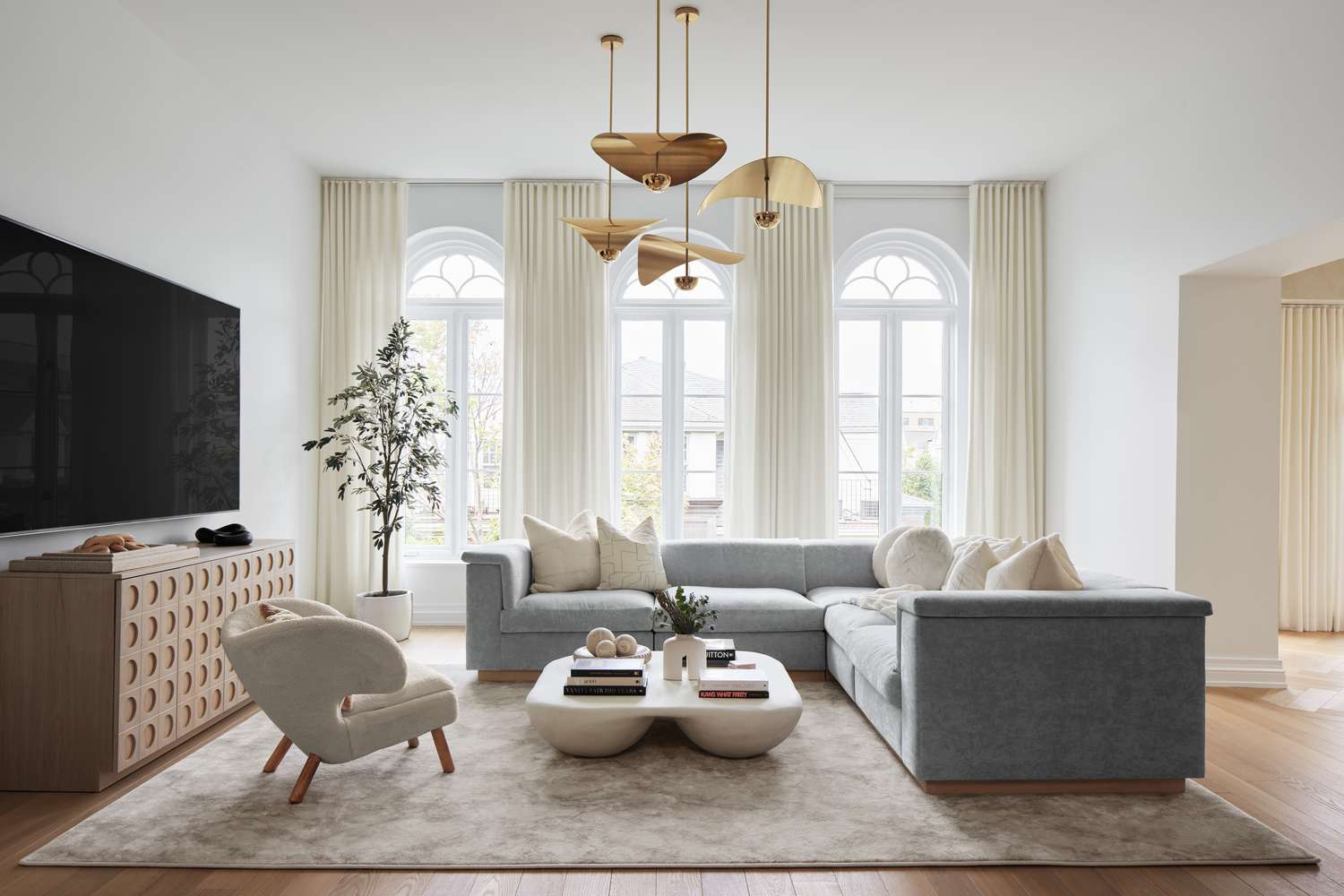
A Home is far more than a physical structure. It influences daily habits, long term wellbeing, personal identity, and financial stability. In many ways, the home ecosystem has become a core part of modern life, shaping how people work, rest, socialize, and build future plans. Because Home environments impact mental health, physical comfort, and financial outcomes, it is essential to understand the full scope of what makes a home functional, efficient, and supportive across different stages of life.
How the Design of a Home Affects Daily Life
The design of a home influences movement patterns, comfort levels, emotional balance, and overall productivity. Every room plays a distinct role in shaping how people experience their personal environment.
The Structure and Layout of Living Spaces
A well designed layout does more than improve aesthetic appeal. It directly affects how efficiently individuals navigate their routines. Effective layouts often include:
- Logical room transitions that minimize wasted steps
- Open sightlines that reduce visual clutter
- Adequate natural lighting for improved mood and energy
- Clear separation between restful areas and high activity spaces
- Storage solutions that streamline organization
These components influence how stress free daily life feels and how effectively people can accomplish simple tasks.
Environmental Psychology in Home Design
Environmental psychology studies how surroundings influence behavior. A carefully curated interior can support healthier habits, greater focus, and stronger emotional wellbeing. Influential factors include:
- Color palettes that encourage calmness or alertness
- Comfortable textures that reduce sensory stress
- Furniture positioning that encourages movement and good posture
- Airflow patterns that regulate temperature and comfort
- Noise levels that affect concentration and sleep quality
Understanding these elements helps individuals design homes that support long term wellness instead of hindering it.
Home Systems That Support Safe and Efficient Living
A home consists of interconnected systems that impact energy use, safety, comfort, and long term property value. When these systems operate efficiently, families experience fewer disruptions and lower financial strain.
Heating, Cooling, and Air Circulation
Temperature control is essential for maintaining comfort and health. Improper heating or cooling can lead to respiratory irritation, fatigue, and uneven humidity levels. Key considerations for optimal indoor climate include:
- Regular maintenance of HVAC units
- Clean air filters that support efficient airflow
- Proper insulation that reduces energy waste
- Ventilation strategies that maintain air quality
- Humidity control to prevent mold and dryness
A well regulated indoor environment protects both residents and the structure itself.
Electrical Systems and Energy Distribution
Electrical systems power nearly every modern convenience. Safe and efficient electrical networks reduce fire risk and ensure consistent access to essential appliances. High functioning electrical systems require:
- Up to date circuit panels capable of handling modern loads
- Correctly grounded outlets
- Reliable surge protection
- Regular inspections to identify early issues
- Smart systems that monitor energy consumption
When electrical components are maintained properly, the entire home becomes safer and more reliable.
The Importance of Indoor Air Quality and Home Health
Indoor air quality affects immune function, respiratory health, cognitive clarity, and sleep. Because many people spend a significant amount of time indoors, addressing air purity is critical.
Common Sources of Indoor Air Contaminants
Several factors can negatively influence home air quality, including:
- Dust and pet dander
- Mold spores from moisture buildup
- Chemical fumes from cleaning products
- Off gassing from furniture and building materials
- Outdoor pollutants brought inside
Recognizing these sources allows homeowners to take preventive action and eliminate most airborne threats.
Strategies to Improve Indoor Air Quality
Improving air quality requires consistent effort and thoughtful environmental management. Effective strategies include:
- Using air purifiers with HEPA filtration
- Opening windows when outdoor conditions allow
- Eliminating indoor smoking
- Keeping humidity within a healthy range
- Maintaining clean carpets, tiles, and upholstery
- Selecting low VOC paints and materials
A cleaner indoor environment promotes better breathing and a healthier overall lifestyle.
Financial Responsibilities Associated With Home Ownership
Owning a home introduces financial commitments that shape long term stability. Effective planning helps homeowners avoid unexpected expenses while maximizing property value.
Understanding Upkeep, Repairs, and Long Term Costs
Homes require ongoing investment to remain safe and functional. Regular maintenance prevents expensive repairs and preserves structural integrity. Homeowners should account for:
- Roof inspections
- Plumbing repairs
- HVAC servicing
- Foundation checks
- Appliance maintenance
- Seasonal preparation for weather changes
Treating maintenance as a scheduled financial obligation leads to more predictable expenses.
Property Value Management and Home Equity
A home can be one of the largest financial assets a person owns. Maintaining or increasing property value depends on:
- Effective landscaping and exterior upkeep
- Modernized interiors
- Structural repairs when needed
- Energy efficient improvements
- Updated kitchens and bathrooms
- Compliance with local building requirements
Strong property value supports long term financial goals, including equity growth and potential resale advantages.
Safety Planning and Home Preparedness
Safety planning strengthens the protection of residents and minimizes disruption during emergencies. A secure home reduces vulnerability to natural events, accidents, and structural hazards.
Home Safety Essentials
Several elements contribute to a strong home safety foundation, such as:
- Functional smoke and carbon monoxide detectors
- Accessible fire extinguishers in key areas
- Clearly marked exit paths
- Proper storage of flammable materials
- Secure locks and reinforced entry points
- Adequate outdoor lighting
Consistent inspections ensure that all items remain functional and up to date.
Emergency Preparedness and Response Planning
Every household benefits from a clear plan for unexpected situations. Comprehensive preparation includes:
- A stocked emergency kit
- Safe access to medications
- Backup power solutions
- Water and nonperishable food supplies
- Knowledge of local emergency contacts
- A communication plan for family members
Preparedness protects lives and reduces panic during stressful events.
Emotional Health and the Meaning of Home
Beyond structure and function, emotional connection plays a major role in how people experience their homes. A supportive home environment strengthens psychological resilience and overall happiness.
Creating Spaces That Support Emotional Balance
Comfort and emotional wellbeing often depend on how personal a home feels. Supportive design choices include:
- Displaying meaningful objects or photos
- Creating comfortable seating areas
- Using natural elements like plants and wood textures
- Allowing natural light to enter living spaces
- Designing quiet retreat areas for relaxation
Intentional design supports mental clarity and emotional stability.
The Role of Routine and Family Interaction
Daily home routines influence how families connect, communicate, and share experiences. Strong routines may include:
- Shared meals
- Designated study or work times
- Regular maintenance schedules
- Planned recreational activities
- Clear expectations around responsibilities
These routines strengthen family relationships and create a sense of order.
Technology and Innovation in Modern Homes
Digital tools are transforming how homes operate. Smart technology increases security, improves efficiency, and simplifies daily tasks.
Smart Home Integrations
Smart systems allow residents to monitor and control home functions with ease. Advanced features include:
- Automated lighting systems
- Temperature controls accessible via mobile apps
- Voice activated appliances
- Smart locks and security cameras
- Multi room audio systems
These tools increase convenience and support a more efficient lifestyle.
Long Term Advantages of Home Automation
Automation offers benefits that extend beyond convenience. Long term advantages include:
- Lower energy consumption
- Early detection of mechanical issues
- Easier scheduling of household tasks
- Enhanced home security
- Real time monitoring of environmental conditions
Smart homes often pay for themselves through improved efficiency and reduced maintenance costs.
Community Influence on Home Life
The environment surrounding a home significantly shapes daily living. Community features affect safety, convenience, and lifestyle choices.
Neighborhood Structure and Accessibility
Neighborhood design influences everything from transportation to outdoor recreation. The most supportive communities offer:
- Safe sidewalks for walking
- Access to parks and green spaces
- Proximity to essential services
- Low noise and pollution levels
- Community programs and activities
These factors impact how connected and supported residents feel.
The Social Dimension of Community Living
Communities play a major role in personal wellbeing. Supportive neighborhoods offer:
- Social interaction opportunities
- Safety through community awareness
- Shared resources that reduce isolation
- Events that promote healthy engagement
A strong community enhances quality of life and strengthens the meaning of home.
FAQs
How often should homeowners update their maintenance checklist?
A maintenance checklist should be reviewed seasonally. This allows homeowners to prepare for weather changes, identify repair needs early, and manage tasks before issues worsen.
What is the most effective way to improve home comfort without major renovations?
Improving comfort may include better insulation, updated window treatments, added air purifiers, rearranged furniture for airflow, or adjustments to lighting. These small changes can significantly enhance daily living.
How can people make a home healthier for children?
Parents can improve home health for children by maintaining clean floors, reducing chemical cleaners, installing safety gates, using non toxic materials, and ensuring quality ventilation.
What should new homeowners prioritize during their first year?
New homeowners should focus on inspecting structural elements, learning utility locations, setting a maintenance budget, updating safety equipment, and documenting all appliance manuals and warranties.
How do small interior changes impact mental health?
Minor adjustments such as adding plants, reducing clutter, adjusting lighting, or updating fabrics can make spaces feel more calming. These changes support focus and emotional balance throughout the day.