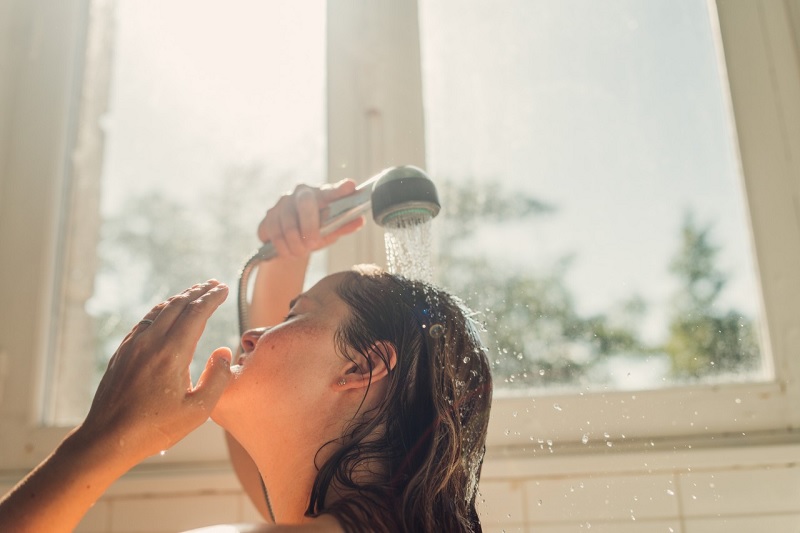
In the United States, showering at least once a day feels less like a personal choice and more like an unspoken social contract. Many Americans step under hot water first thing in the morning to wake up, then jump back in after an evening workout or a humid commute. Skipping a day can feel vaguely neglectful, even if you barely broke a sweat sitting at a home desk in an air-conditioned room.
Yet your skin operates on biology, not social etiquette. While daily bathing keeps odor in check and feels refreshing, hot water and lathering cleansers are surprisingly rough on the delicate protective layer covering your body from head to toe. For plenty of people, the habit they assume is keeping their skin spotless is actually the quiet cause behind chronically itchy shins, flaky elbows, and stubborn winter irritation.
Understanding how bathing interacts with your skin barrier—and knowing which lifestyle variables actually call for a full scrub—makes it much easier to land on a routine that keeps you feeling clean without wearing your skin down.
What Actually Happens to Your Skin Every Time You Shower
Healthy skin is not a smooth, sterile surface waiting to be polished clean. Its outermost layer, the stratum corneum, functions like a tightly stacked brick wall. Tough skin cells act as the bricks, while natural oils—including ceramides, cholesterol, and free fatty acids—act as the mortar holding everything together. Sitting across that surface are two quiet defenders: a mildly acidic film known as the acid mantle and a diverse community of beneficial microorganisms called the skin microbiome.
Together, that lipid mortar and microbial ecosystem lock moisture inside your body while blocking out allergens, irritants, and harmful bacteria. Every time you step under running water and reach for soap, you temporarily disturb that balance.
Water alone swells skin cells slightly, and when the water is steaming hot, it softens and strips away surface lipids far more aggressively than lukewarm water does. Add a heavily fragranced, high-pH bar soap or foaming body wash packed with harsh cleansing agents, and you dissolve that protective oil layer even faster. Once you step out into dry bathroom air, moisture evaporates rapidly from the unprotected skin underneath. Occasional disruption is no problem—healthy skin repairs its lipid barrier quickly. Repeat that cycle once or twice every single day, however, and your skin can fall behind on repairs, leaving it tight, reactive, and prone to microscopic cracks.
Finding Your Ideal Baseline Shower Frequency
There is no single shower schedule that suits every body. From a strictly dermatological standpoint, most healthy adults with average daily routines do well showering every other day or three to four times per week. At the same time, showering once a day is completely safe for many people—provided they adjust water temperature, shower length, and how much soap they use.
Where you should land within that range depends on four practical variables that shift throughout the year and across your life.
Activity Level, Sweat, and Work Environment
Sweat itself is mostly water and trace electrolytes, and it has virtually no smell on its own. Body odor develops when sweat from apocrine glands in your armpits and groin mixes with skin bacteria. If you work outdoors in July heat, spend an hour dripping through a spin class, or work in healthcare, kitchens, or dusty construction zones, a daily shower makes clear hygienic and dermatological sense.
Letting sweat, oil, and environmental grime sit trapped beneath tight synthetic workout gear creates warm, damp friction that encourages clogged pores, body breakouts, and inflamed hair follicles. On the other hand, if you spend a cool November Tuesday working from home without exercising, skipping a full shower the next morning will not harm your health—and your skin barrier may quietly thank you for the break.
Skin Type and Underlying Conditions
Your baseline oil production heavily dictates how much washing your skin tolerates. People with naturally oily skin or a tendency toward chest and back acne generally feel and look better with a gentle daily wash that clears excess sebum and dead surface cells before pores congest.
Dry, sensitive, or reactive skin tells a different story. If you deal with eczema, psoriasis, or chronic winter dryness, frequent long showers are one of the fastest triggers for painful flares. Because eczema-prone skin already produces fewer natural barrier lipids, cutting back to shorter, lukewarm showers every other day—or rinsing with plain water on off days—often calms redness and itching faster than switching lotions alone.
Climate, Season, and Water Quality
Your bathroom routine in humid August weather should rarely look identical to your routine in January. Warm, humid air helps keep skin hydrated while ramping up sweat and oil output, making daily showers comfortable and practical. Once winter arrives, cold outdoor air and forced-air indoor heating pull moisture relentlessly from your skin. Many people discover that simply dropping from daily soapy showers in summer to every-other-day full washes during dry winter months eliminates seasonal itching altogether.
Local water chemistry plays an overlooked role as well. Homes supplied by hard water—rich in dissolved calcium and magnesium—leave behind subtle mineral films that bind with soap residue and make it harder to rinse cleanly, leaving skin noticeably drier after every wash.
Age and Shifting Natural Oils
Sebaceous glands work hardest during adolescence and young adulthood, then gradually slow down with each passing decade. By your fifties, sixties, and beyond, skin becomes noticeably thinner, produces far less natural sebum, and recovers more slowly from moisture loss. Older adults frequently thrive on two to three full showers per week, paired with quick daily sponge-ups for key odor zones as needed.
Signs You Are Showering Too Often—or Not Enough
Your skin gives fairly blunt feedback when your routine is out of sync. Paying attention to subtle physical cues works far better than following an arbitrary rule on a calendar.
Signs you may be over-showering:
-
Your legs, arms, or torso feel uncomfortably tight or itchy within ten minutes of toweling off.
-
You notice fine, powdery flaking on your shins or forearms despite applying lotion regularly.
-
Mild, fragrance-free moisturizers sting briefly when you rub them in, signaling microscopic barrier disruption.
-
Existing patches of redness, eczema, or irritation flare consistently after bathing.
Signs you may not be showering often enough:
-
Lingering body odor returns quickly even after applying fresh deodorant or antiperspirant.
-
Your scalp feels itchy, greasy, or weighted down with visible buildup.
-
Small bumps, whiteheads, or irritated hair follicles start appearing across your upper back, shoulders, chest, or seat area.
-
Warm skin folds—such as under the breasts, around the groin, or between toes—develop redness, damp irritation, or mild fungal rashes.
Why How You Shower Matters More Than How Often
If a daily shower is non-negotiable for your mental focus, evening wind-down, or workout habit, you do not have to give it up to protect your skin. Adjusting your shower technique protects your skin barrier far more effectively than grudgingly skipping days.
Dial Back Heat and Duration
Steaming-hot showers feel wonderful on stiff shoulders after a long day, yet high heat is the number-one culprit behind post-shower dryness. A simple gauge works well: if your bathroom mirror fogs over completely or your skin steps out noticeably flushed and pink, the water is too hot. Aim for comfortably lukewarm water and keep most showers within five to ten minutes. Cutting a twenty-minute soak in half dramatically reduces lipid loss without costing you any real cleanliness.
Clean Strategically Instead of Lathering Head to Toe
One of the most helpful shifts you can make is abandoning the habit of scrubbing every square inch of your body with soap every day. Unless you have been gardening, swimming in a chlorinated pool, or rolling around on a gym mat, your forearms, shins, thighs, and back rarely accumulate genuine dirt.
Focus your cleanser strictly on high-sweat, high-odor areas: armpits, groin, buttocks, feet, and any skin folds where moisture collects. Simply letting lukewarm water rinse over your arms, legs, and torso cleans away surface dust and dried sweat while leaving your protective oil barrier intact.
Upgrade Your Cleanser and Skip Harsh Scrubbing Tools
Traditional deodorant soaps and harsh antibacterial washes are formulated to cut grease aggressively, carrying an alkaline pH that clashes with your skin’s naturally acidic surface. Swap them for a fragrance-free, pH-balanced synthetic cleanser (often sold as gentle beauty bars or creamy body washes) containing hydrating ingredients like glycerin, ceramides, or colloidal oatmeal.
Consider retiring the plastic mesh pouf hanging in your shower corner, too. Rough loofahs create micro-abrasions when used aggressively every day, and damp shower meshes are notorious breeding grounds for mold and bacteria. Your clean hands—or a soft cotton washcloth swapped out for a fresh one every couple of days—clean thoroughly with far less friction.
Post-Shower Habits That Lock In Hydration
What happens during the first few minutes after you turn off the faucet often determines whether your skin feels supple or parched for the rest of the day. Instead of rubbing briskly with a rough towel, pat your skin gently so it remains slightly damp rather than bone dry.
Within three minutes of stepping out, smooth a plain, fragrance-free cream or lotion over dry-prone areas like your lower legs, arms, and hands. Applying moisturizer onto slightly damp skin traps surface water before evaporation pulls moisture deeper out of the epidermis. In winter or for notably dry skin, thicker creams sold in jars or tubes hold moisture far better than thin, runny pump lotions that contain higher percentages of water and evaporating alcohols.
Practical Middle-Ground Options for In-Between Days
You do not have to treat bathing as an all-or-nothing event. On light-activity days, after a quick midday walk, or during harsh winter cold snaps, a two-minute lukewarm water-only rinse removes salty sweat and refreshes your body without touching your skin lipids with detergent. Similarly, changing out of damp workout clothes immediately—even if you cannot shower for another hour—prevents trapped sweat from irritating pores on your back and chest. On days you skip a full shower altogether, washing your face, hands, armpits, and groin at the sink keeps you comfortable and fresh without stressing dry limbs.
Optimal skin health has very little to do with hitting a strict weekly quota. Treat your shower routine as a flexible habit that shifts with the weather, your workouts, and your skin’s daily comfort. Keep the water warm rather than scalding, focus soap where it genuinely counts, seal in moisture while your skin is still damp, and let calm, comfortable skin—not an old habit—be the measure of what works best.