
The auto sector continues to evolve at a pace that reshapes how people move, work, and live. As manufacturers invest in new technologies and consumers demand better performance, the significance of the word Auto reaches far beyond traditional vehicles. In today’s landscape, this industry represents a blend of engineering excellence, data-driven insights, and practical solutions that influence nearly every part of modern transportation. The auto marketplace impacts safety, sustainability, and the everyday rhythm of commuting, making it one of the most dynamic fields to explore.
The Transformation of Modern Vehicles
Modern vehicles are engineered with extraordinary precision. Each model reflects a balance of performance, efficiency, and digital capability. Automakers have moved from basic mechanical structures to systems that think, learn, and adapt. Sensors, cameras, and advanced processors work together to assist drivers, maintain stability, and manage energy consumption.
The Shift to Connected Mobility
Connectivity has become a defining trait of most current transportation platforms. Vehicles are now integrated with cloud systems, allowing drivers to receive real time updates and diagnostics. Connectivity supports several important functions:
- Predictive maintenance that identifies issues before they affect driving
- Intelligent navigation that calculates the most efficient routes
- Remote updates that improve system performance
- Access to smart device synchronization for safer hands free operation
This transformation aligns the auto industry with the broader digital ecosystem, turning vehicles into mobile computing hubs equipped to manage data effectively.
Safety Innovation as a Driving Force
Safety is one of the most influential areas where progress is visible. Rather than depending strictly on driver awareness, vehicles now employ advanced systems to reduce risks. These include:
- Automatic emergency braking designed to react quicker than human response times
- Lane keeping assistance that gently corrects drifting
- Adaptive cruise control that adjusts speed based on traffic flow
- Collision avoidance features that use sensor data to detect potential hazards
Each advancement strengthens trust between drivers and their machines, creating environments where accidents are increasingly preventable.
Powertrain Evolution and Energy Efficiency
The way vehicles generate energy has changed dramatically. The shift toward cleaner systems is not driven by trend but by real world benefits including lower operating costs, improved air quality, and long term sustainability.
Innovations in Internal Combustion Engines
While the world discusses electrification, the internal combustion engine still plays a significant role. Improved engineering has resulted in:
- More efficient fuel injection systems
- Reduced internal friction
- Turbocharging that enhances power without excessive fuel consumption
- Lightweight materials that minimize load
These upgrades help traditional engines continue to serve millions of drivers while maintaining better performance standards.
Growth of Electric Mobility
Electric platforms represent one of the most promising directions for the auto sector. Battery systems have improved substantially over the last decade, allowing for greater travel distances on a single charge. Advances include:
- Faster charging times supported by improved infrastructure
- Longer battery lifecycles that reduce replacement frequency
- High torque capabilities for stronger acceleration
- Regenerative energy systems that recycle power
Electric mobility supports environmental goals without compromising driving experience, making it increasingly appealing to both individuals and fleets.
The Role of Artificial Intelligence in Vehicle Development
Artificial intelligence influences nearly every stage of vehicle development. Engineers use AI to simulate performance scenarios, designers use it to refine aerodynamic concepts, and manufacturers implement it to improve assembly line accuracy.
AI Enhanced Driver Assistance
Driver assistance systems depend heavily on machine learning. These systems are trained on millions of data points to identify patterns and make predictions. Practical benefits include:
- Improved lane detection in difficult weather conditions
- Enhanced object recognition for pedestrians, cyclists, and road signs
- Smarter cruise control algorithms that reduce unnecessary braking
- Personalized driving profiles that adapt to user behavior
Manufacturing Precision with Robotics
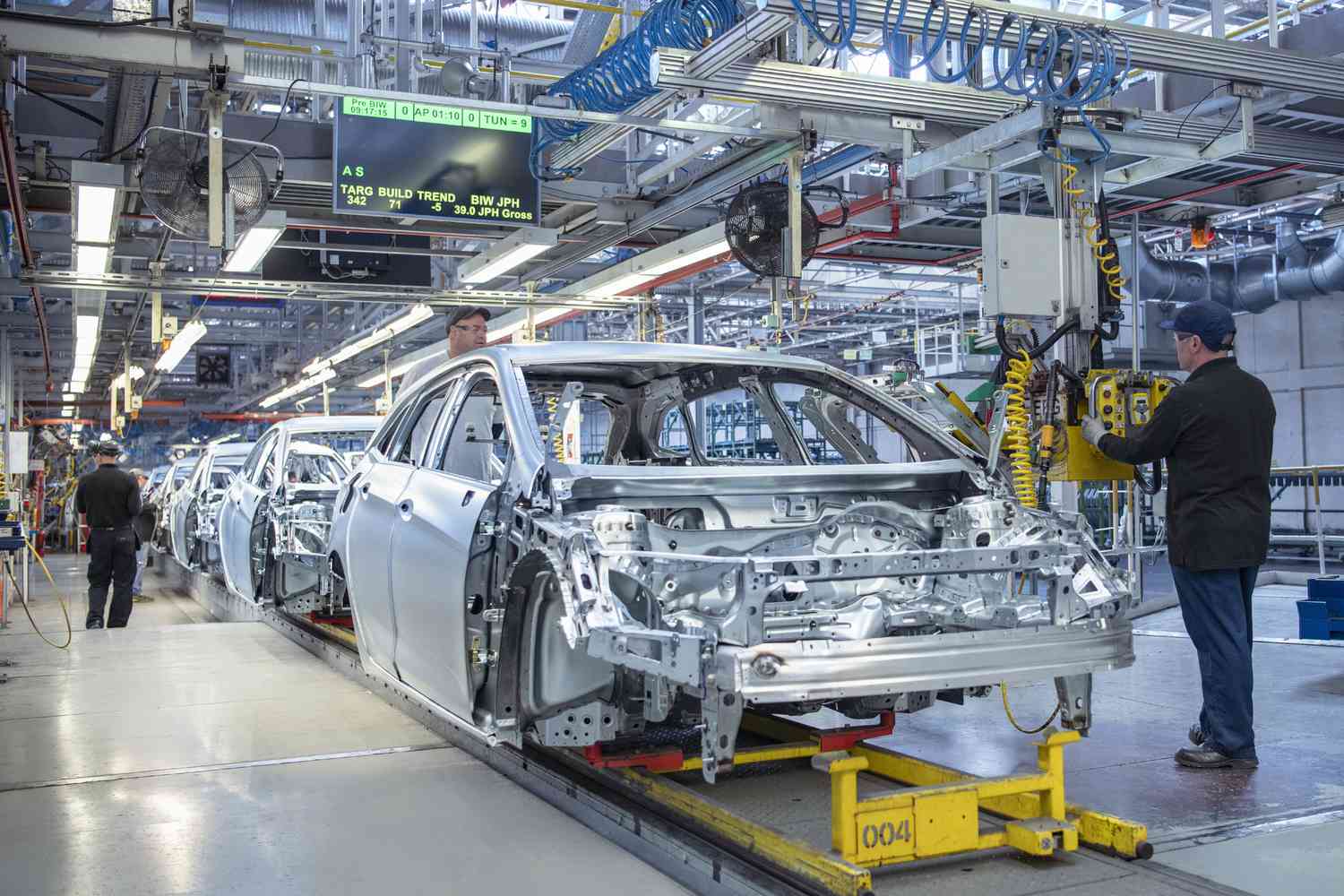
Robotics and AI together have improved manufacturing efficiency. Automated systems contribute by:
- Ensuring weld consistency in vehicle frames
- Reducing human error in repetitive tasks
- Accelerating production without reducing quality
- Allowing precise alignment of sensitive components
These improvements lead to stronger, safer vehicles produced in a more sustainable manner.
Maintenance, Ownership Experience, and Long Term Value
Vehicle ownership involves more than driving. Maintenance practices, total ownership cost, and reliability shape the satisfaction of each driver.
Smarter Maintenance Practices
Digital tools help owners manage maintenance more effectively. Vehicles equipped with diagnostic systems can:
- Notify drivers when parts are wearing out
- Track oil life and fluid levels
- Optimize service schedules to prevent unnecessary visits
- Provide service centers with detailed data for faster repairs
This level of transparency supports informed decision making and cost control.
Enhancing Long Term Ownership Value
Long term value comes from durability, performance retention, and smart usage habits. Owners can extend the useful life of their vehicles by:
- Maintaining proper tire pressure to reduce wear
- Scheduling timely fluid changes to protect engine parts
- Avoiding aggressive driving that strains mechanical systems
- Using shade or coverings to reduce interior degradation
These habits help preserve both resale value and everyday performance.
The Automotive Supply Chain and Global Manufacturing
Behind every vehicle lies an intricate supply chain. This network includes factories, suppliers, transport fleets, and quality assurance teams. Each plays a role in ensuring reliability.
Material Sourcing and Engineering Quality
Materials such as aluminum, composites, high strength steel, and specialized plastics are chosen meticulously. Factors that influence these choices include:
- Durability under extreme conditions
- Weight reduction for fuel economy
- Ability to absorb impact energy
- Environmental sustainability
Global Distribution and Workforce Expertise
Global manufacturing requires synchronized logistics. Teams coordinate production schedules, part deliveries, and distribution routes. Skilled workers support each stage, ensuring that engineering standards remain consistent across regions.
Future Trends Shaping the Auto Industry
Several long term trends will influence how vehicles operate and how drivers interact with them.
Autonomous Driving Progress
Autonomous driving systems are being tested in controlled environments to validate reliability. Although full autonomy is still being refined, several stages of automation have already been implemented. These include:
- Highway pilot systems that manage steering and speed
- Automated parking that handles tight spaces
- Traffic jam assistants that navigate slow moving congestion
The success of autonomous driving depends on data accuracy, regulatory progress, and continued investment.
Sustainability and Renewable Energy Integration
Environmental priorities are guiding industry changes. Future developments may include:
- Solar aided charging systems
- Bio based materials for interior components
- More efficient recycling of old batteries and metals
- Reduced emissions during manufacturing
These improvements support global sustainability goals and create more responsible mobility options.
Mobility as a Service
Urban areas are moving toward shared mobility models. Future transportation systems may include:
- Subscription based vehicle access
- Shared electric shuttles
- Automated ride services
- Integrated transit platforms that combine cars, bikes, and public transport
This approach reduces congestion and provides flexible access to reliable transportation.
FAQs
What factors determine the long term reliability of a vehicle?
Long term reliability is shaped by engineering quality, proper maintenance, climate conditions, and how consistently the vehicle is serviced. Regular inspections and responsible driving habits greatly contribute to overall longevity.
How often should a modern vehicle receive diagnostic checks?
Most modern vehicles perform self diagnostics continuously. Owners should conduct official diagnostic checks during scheduled maintenance or whenever the warning system alerts them to an issue. Annual comprehensive inspections are also beneficial.
Are electric vehicles practical for long distance travel?
Yes. Improved battery efficiency and expanding charging networks support long distance travel. Planning routes to include high speed charging stations helps reduce downtime and makes trips more convenient.
Does autonomous technology work in bad weather?
Current autonomous features function well in moderately adverse conditions but may face challenges in extreme weather. Rain, fog, and snow can obstruct sensors, which is why drivers still need to remain attentive in those scenarios.
What is the best way to enhance fuel efficiency in a traditional vehicle?
Fuel efficiency improves through proper tire maintenance, smooth acceleration, consistent speeds, reduced idling, and removing unnecessary cargo weight. Regular engine tune ups also help optimize performance.
Is connected vehicle data secure?
Most connected systems use encrypted communication to protect user information. Manufacturers invest in cybersecurity protocols to reduce the risk of unauthorized access, though users should keep software updated to maintain protection.